Visit deodar-seeds.in

About this variety
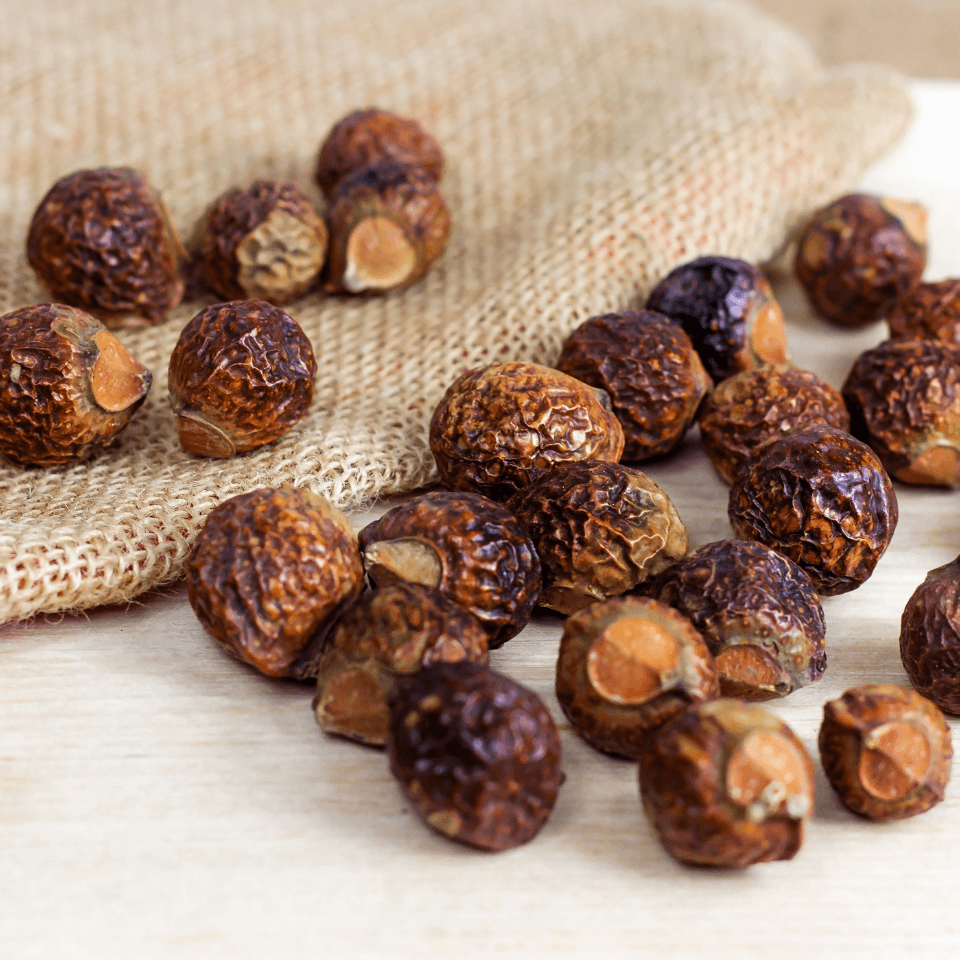
Grow Sapindus mukorossi, the soap nut tree also known as reetha, ritha or Chinese soapberry. This deciduous tree has long compound leaves and branching clusters of small greenish-white flowers. Mature fruits contain a dark, round seed inside a fleshy outer layer that dries as the fruit ripens. Sapindus detergens is a botanical synonym of this species.
Choose a packet of 5 or 10 seeds from the quantity menu. You will receive seeds for cultivation, rather than a bag of soapnut shells for washing. Photographs of leaves, fruits and mature trees illustrate what the plant can look like as it develops.
Soap nut is a substantial tree, so plan for its eventual size. It is associated with subtropical growing conditions and is cultivated in parts of Asia, including India. Deep, well-drained soil supports root development; young plants need steady care while they establish.
The seeds have a hard coat and may germinate unevenly. A water soak before sowing is one nursery preparation used for this species. Start in a roomy container with drainage holes and a well-drained soil-based medium. Keep the medium moist without leaving the container standing in water, and give seedlings good light as they develop. There is no guaranteed germination percentage or fixed emergence date.
The fruit pulp contains saponins and has traditionally been used as a soap substitute. This listing is for growing the tree itself. Store unplanted seeds dry, away from excess heat and moisture, and label your nursery containers with the botanical name.