
Germination temperature
Best 16-29 °C (60-85 °F) soil, optimum about 29 °C (85 °F); little or no germination below 10 °C (50 °F) or above 35 °C (95 °F) (Oregon State Extension).
 Visit deodar-seeds.in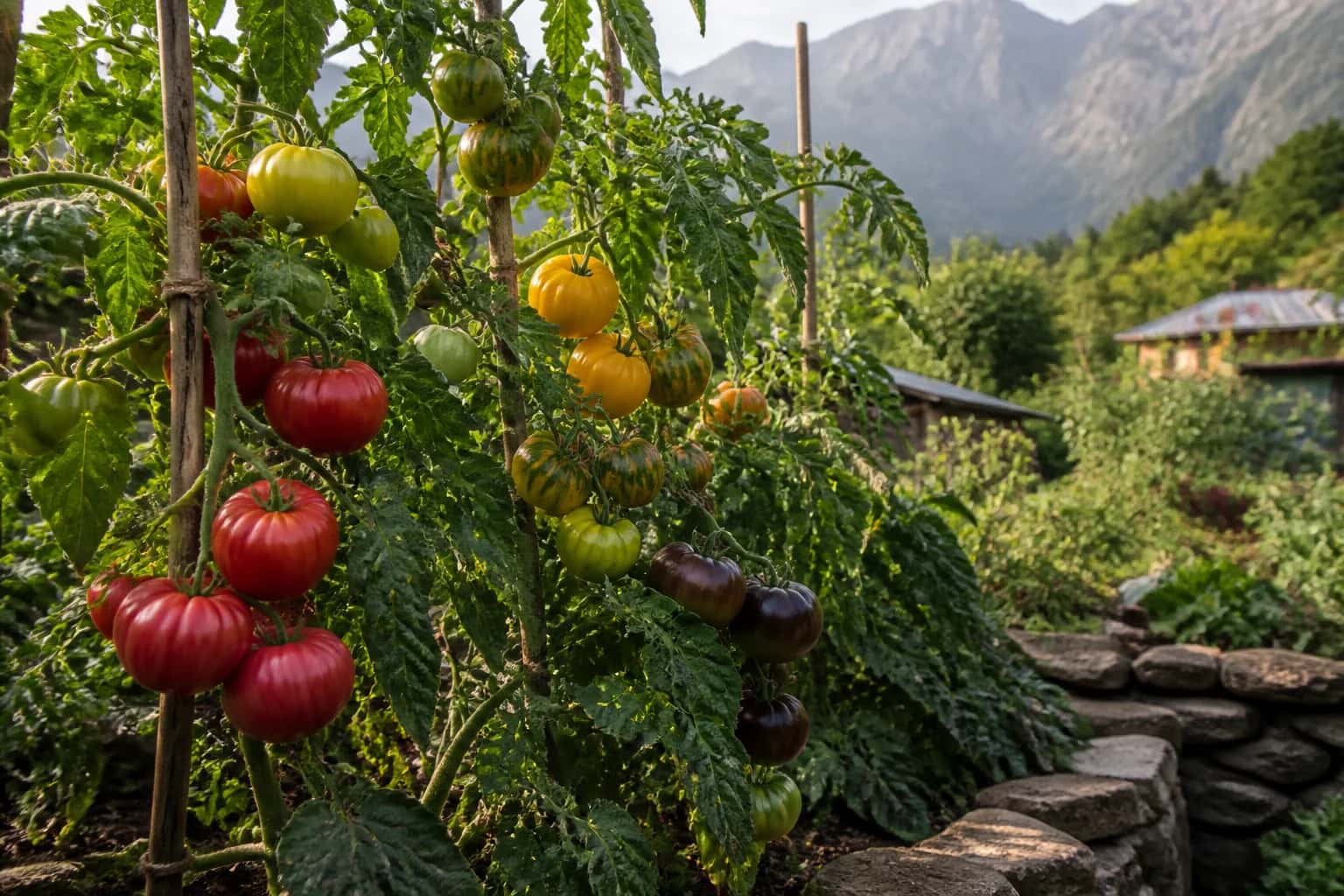
1 growing guide
Tomatoes are raised as nursery seedlings and planted out young into warm, sunny ground. This page sums up the crop; the linked guide covers each step in detail.
The tomato is a frost-tender annual of the nightshade family (Solanaceae), the same family as pepper and brinjal. Wild relatives grow in western South America. Varieties differ in fruit colour (red, pink, yellow, near-black), size and shape, but they are grown the same way: seed is sown in a warm nursery or tray, seedlings are moved into the field or into pots after a few weeks, and plants fruit for several months in full sun. The main choice to make is plant habit. Bush (determinate) varieties stop at a fixed height and ripen most fruit within four to six weeks, which suits pots and processing. Cordon or vining (indeterminate) varieties keep growing, need tall stakes and crop until cold weather.
Best 16-29 °C (60-85 °F) soil, optimum about 29 °C (85 °F); little or no germination below 10 °C (50 °F) or above 35 °C (95 °F) (Oregon State Extension).
About 6 days at 25-30 °C (77-86 °F), about 14 days at 15 °C (59 °F) and over 40 days at 10 °C (50 °F).
No soaking or cold treatment needed. Indian farms coat seed with a biological fungicide such as Trichoderma before sowing (TNAU).
TNAU transplants at 25 days in Tamil Nadu; temperate guides allow about five to six weeks indoors.
Tamil Nadu: May-June and November-December (TNAU). Temperate climates: indoors from late February to early April, planting out after the last frost (RHS).
TNAU gives 135-140 days from sowing (110-115 days from transplanting) for field varieties and hybrids.
Sow thinly in raised nursery beds or seed trays, in lines about 10 cm apart, and cover lightly. Keep the medium warm: University of Minnesota Extension holds trays at 24-29 °C (75-85 °F) until seedlings appear; RHS gives about 18 °C (64 °F) as the minimum.
As soon as seedlings emerge, give them as much light as possible so they do not stretch. In pots, move them on individually when they have a couple of true leaves.
Accustom seedlings gradually to outdoor sun and wind, then plant them into well-drained, fertile soil with a pH of about 6.5-7.5. Plant deeply, with the first leaves just above the soil, on a cool or cloudy day.
Stake or cage cordon types and remove their side shoots; bush types can be left to branch. Keep moisture even, because big swings in soil moisture lead to fruit splitting and blossom end rot.
How to grow tomatoes from seed takes you from sowing to harvest, with spacing, feeding, pruning and pest advice.
Choose bush (determinate) types for pots, small beds and one main harvest; choose cordon (indeterminate) types for a long picking season on stakes. The product page or packet says which habit a variety has.
Pepper and chilli are grown in a very similar nursery-and-transplant way; see the pepper growing guides.
Tomato seed barely germinates below 10 °C (50 °F). Start seed in a warm tray and plant out only after frost and once nights stay warm; RHS waits until temperatures stay above 16 °C (60 °F).
Dim light after germination makes thin, weak stems. Move trays into full light the day seedlings appear.
Overgrown seedlings establish slowly. In Indian nurseries plants go out at about 25 days.
Drying out and then flooding causes split fruit and blossom end rot. Water regularly and mulch.
Late blight spreads fast in warm, wet weather and hits outdoor plants hardest. Space plants for air flow and remove infected leaves promptly.
Browse bush and cordon tomato varieties and pick one that suits your space and season.
In Tamil Nadu TNAU recommends nursery sowing in May-June and November-December, with transplanting at about 25 days. In cooler regions and the hills, sow so that seedlings go out after frost danger has passed.
It is possible in warm soil, but nursery raising is the standard method. It protects small seedlings, saves seed and gives an earlier crop.
Bush (determinate) plants stop growing at a set height and ripen their fruit over four to six weeks. Cordon (indeterminate) plants keep growing, need tall support and crop until cold weather.
Open the guide that matches the seed name on your packet.