
Germination temperature
Warm soil: sow at about 18 °C (65 °F) or warmer.
 Visit deodar-seeds.in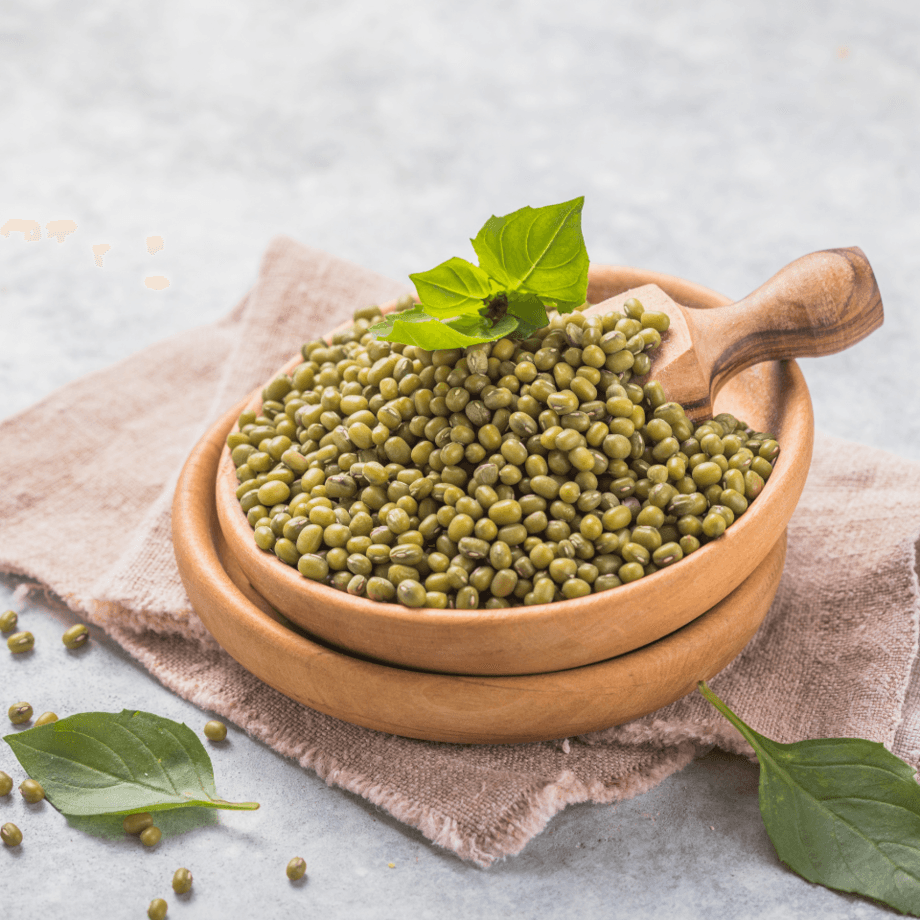
Legume growing guide
Grow Vigna radiata in warm conditions, with free drainage and reliable moisture at flowering and pod set. Sow whole seed direct; most Indian varieties are ready in about two months.
Warm soil: sow at about 18 °C (65 °F) or warmer.
About 2.5 cm (1 in).
Quick in warm, moist soil; slow and patchy in cold or wet soil.
Seed is covered; grow in full sun.
No soaking or scarification; biocontrol and Rhizobium seed treatment help.
Direct sow only.
Use whole, viable seed supplied for planting; split moong dal cannot grow. TNAU first treats seed with Trichoderma viride (4 g per kg of seed) against seed-borne disease, then coats it with Rhizobium culture just before sowing so the roots form nitrogen-fixing nodules. Apply the biocontrol first and the Rhizobium last, and do not mix biocontrol agents with chemical fungicides.
Not needed. Mungbean seed takes up water readily.
Not needed. Mungbean is a tropical crop and needs no cold treatment.
Not needed. Sow dry, treated seed into moist, warm soil and irrigate straight away.
Sow once the soil has warmed to about 18 °C (65 °F). Mungbean is a tender annual and is killed by frost; in India it is sown in the warm kharif, autumn and summer windows. Choose a local sowing window that avoids frost and prolonged cold soil.
About 2.5 cm (1 in), firming the soil over the seed.
A sunny, weed-free, well-drained bed. On heavy soil sow on raised beds or ridges, because the crop does not tolerate standing water.
Irrigate immediately after sowing and give a life irrigation on day 3 so the seedbed stays moist until seedlings emerge.
No light needed under the soil cover. Choose an open, sunny site.
Seedlings come up quickly in warm soil. Cold or waterlogged soil gives slow, patchy emergence and seed rot.
Do not transplant. Dibble seed 10 cm (4 in) apart in rows 30 cm (12 in) apart, as TNAU recommends; in temperate gardens rows 75-90 cm (30-36 in) apart are also used. Field and container systems need different densities.
Seedlings compete poorly at first. Hand-weed about 15 and 30 days after sowing.
Irrigate every 7-10 days depending on soil and weather, and avoid standing water at every stage. If plants show moisture stress during leafy growth, TNAU sprays 0.5 percent potassium chloride on the leaves.
Cause: cold or waterlogged soil. Fix: wait until the soil is about 18 °C (65 °F), sow on a drained bed and irrigate lightly.
Cause: waterlogging, which damages roots and increases disease. Fix: grow on raised beds or ridges and drain furrows after heavy rain.
Cause: yellow mosaic disease. Fix: grow a resistant variety; TNAU rates CO 9 moderately resistant.
Cause: water stress at flowering and pod formation. Fix: irrigate during these critical stages where rainfall is insufficient.
Cause: most mungbeans do not ripen all pods at once. Fix: pick mature pods in rounds, or pull the crop when about 60 percent of pods are mature.
TNAU lists June-July (Adipattam), September-October (Puratasipattam), January-February in rice fallows and February-March for a summer crop in Tamil Nadu. Use local temperature, rainfall and variety guidance rather than copying dates from a different region.
Duration depends on the variety. TNAU lists 65-70 days for CO 9, a determinate type with pods that ripen together; this is not a maturity promise for an unnamed seed lot. In cooler temperate summers allow 80-100 days.
Collect pods when they have matured and dried and the seed is hard, before weather or shattering causes losses. Pick in rounds or pull whole plants, dry them in the sun and thresh.
The University of Arkansas harvests once about 60 percent of pods are mature and seed moisture is below 15 percent. Keep threshed seed in a cool, dry place.
Sow whole green moong seed direct into warm, well-drained soil for a quick pulse crop.
No. Use whole viable seed supplied for planting. Moong dal is a food name, often for split mungbean; split or cooked beans cannot produce a normal seedling.
There is no universal weekly schedule. TNAU irrigates after sowing, on day 3, then every 7-10 days depending on soil and weather. Avoid standing water and protect flowering and pod formation from severe stress.
It depends on the variety: TNAU's CO 9 matures in 65-70 days, and most Indian varieties fall within about two to three months.